If your property was built before the year 2000, there’s a chance asbestos could still be present — often hidden in plain sight. While asbestos isn’t dangerous when left undisturbed, problems arise when materials are damaged, drilled, sanded or removed incorrectly.
Understanding where asbestos is commonly found in older UK homes is the first step in keeping occupants safe and avoiding costly mistakes during renovations or repairs.
Why Asbestos Was Used So Widely in UK Homes
Asbestos was once considered a “miracle material.” It was:
-
Fire-resistant
-
Durable
-
Affordable
-
An excellent insulator
Because of this, it was used extensively in UK construction from the 1930s right through to the late 1990s. It wasn’t fully banned until 1999, which means many homes built or refurbished before then may still contain asbestos-containing materials (ACMs).
The Most Common Places Asbestos Is Found in Homes
1. Artex & Textured Coatings (Ceilings and Walls)
One of the most common asbestos discoveries in homes.
-
Found in swirled, stippled or patterned ceilings
-
Popular in the 1970s–1990s
-
Often mistaken as harmless paint or plaster
👉 Important: Asbestos in Artex is usually low-risk if undisturbed, but scraping or sanding can release fibres.
2. Garage & Shed Roofs
Asbestos cement sheets were widely used for outbuildings.
-
Corrugated garage roofs
-
Shed panels
-
Lean-to structures
These materials weather over time and can become brittle, increasing the risk of fibre release if broken.
3. Pipe Insulation & Lagging
Common in older heating systems, particularly in:
-
Airing cupboards
-
Boilers
-
Cellars and basements
This type of asbestos can be higher risk, especially if damaged or deteriorating.
4. Floor Tiles & Adhesives
Often found in:
-
Kitchens
-
Hallways
-
Utility rooms
The tiles themselves and the adhesive beneath may contain asbestos. Lifting or breaking them without the correct precautions can release fibres.
5. Soffits, Fascias & Guttering
External asbestos cement products were used for durability.
-
Eaves and roof edges
-
Rainwater goods
-
Cladding panels
These are usually low-risk but still require proper handling and disposal.
6. Wall Panels & Partition Boards
Asbestos insulating board (AIB) was commonly used for:
-
Partition walls
-
Fireproof panels
-
Cupboard linings
AIB is higher risk than asbestos cement and should never be disturbed without professional assessment.
Is Asbestos Dangerous in the Home?
Asbestos is only hazardous when fibres become airborne and are inhaled. When materials are intact and undisturbed, they often pose little immediate risk.
However, danger increases during:
-
Renovations
-
DIY projects
-
Drilling, cutting or sanding
-
Removal without correct controls
This is why professional identification and management is essential.
What Should You Do If You Suspect Asbestos?
If you think your home may contain asbestos:
-
Stop work immediately
-
Do not disturb the material
-
Avoid DIY removal
-
Arrange a professional asbestos survey
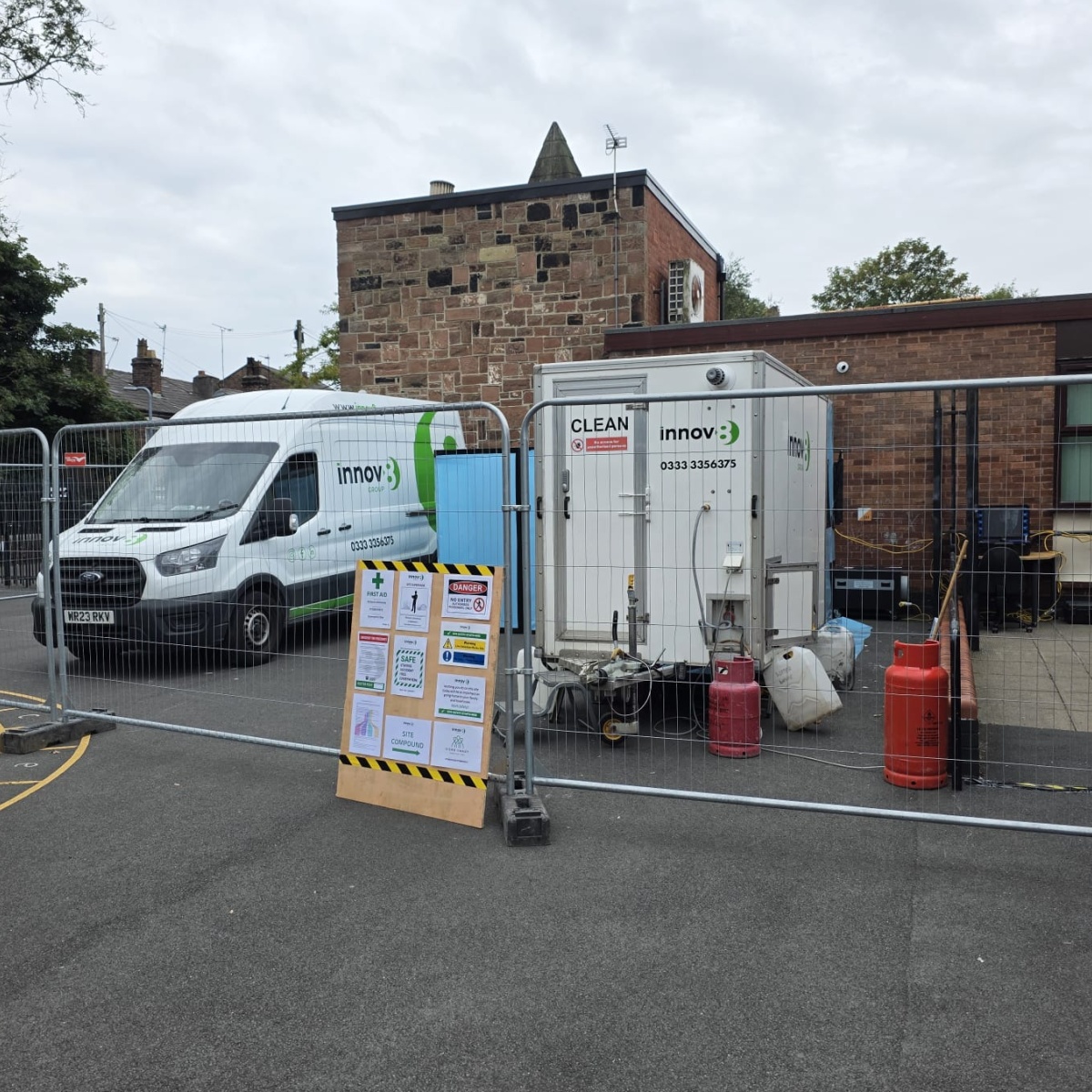
A licensed contractor can identify the material and advise whether it needs to be managed, encapsulated or safely removed.
Why Professional Asbestos Removal Matters
Attempting to deal with asbestos yourself can:
-
Put health at risk
-
Spread contamination through the home
-
Lead to illegal disposal
-
Result in costly clean-up works
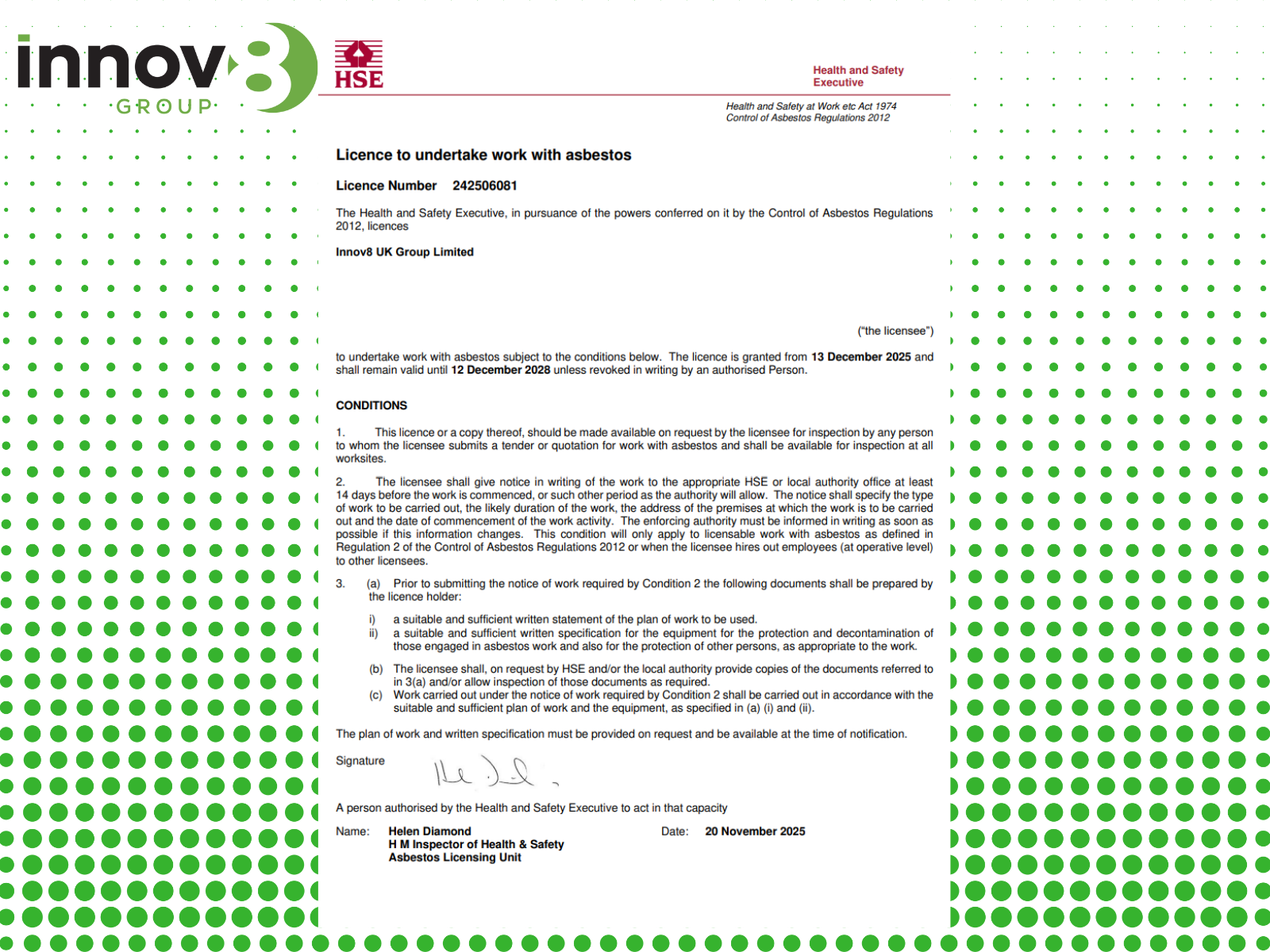
Professional asbestos removal ensures compliance with UK regulations and protects everyone involved.
FAQs – Asbestos in Older Homes
How can I tell if my home contains asbestos?
You can’t identify asbestos by sight alone. The only way to confirm is through a professional asbestos survey and laboratory testing.
Is asbestos always dangerous?
No. Asbestos is mainly dangerous when disturbed. Intact materials can often be safely managed rather than removed.
Do all homes built before 2000 contain asbestos?
Not all, but many do. The risk is higher in homes built or refurbished between the 1950s and 1980s.
Can I remove asbestos myself?
Some very low-risk materials may be legally removed by homeowners, but it’s strongly discouraged. Many materials require licensed professionals.
What happens if asbestos is disturbed accidentally?
Work should stop immediately, the area isolated, and a licensed asbestos contractor contacted to assess and resolve the risk.
Need Expert Advice or Asbestos Removal?
If you’re unsure whether your property contains asbestos — or you’re planning renovation works — it’s always better to check first.
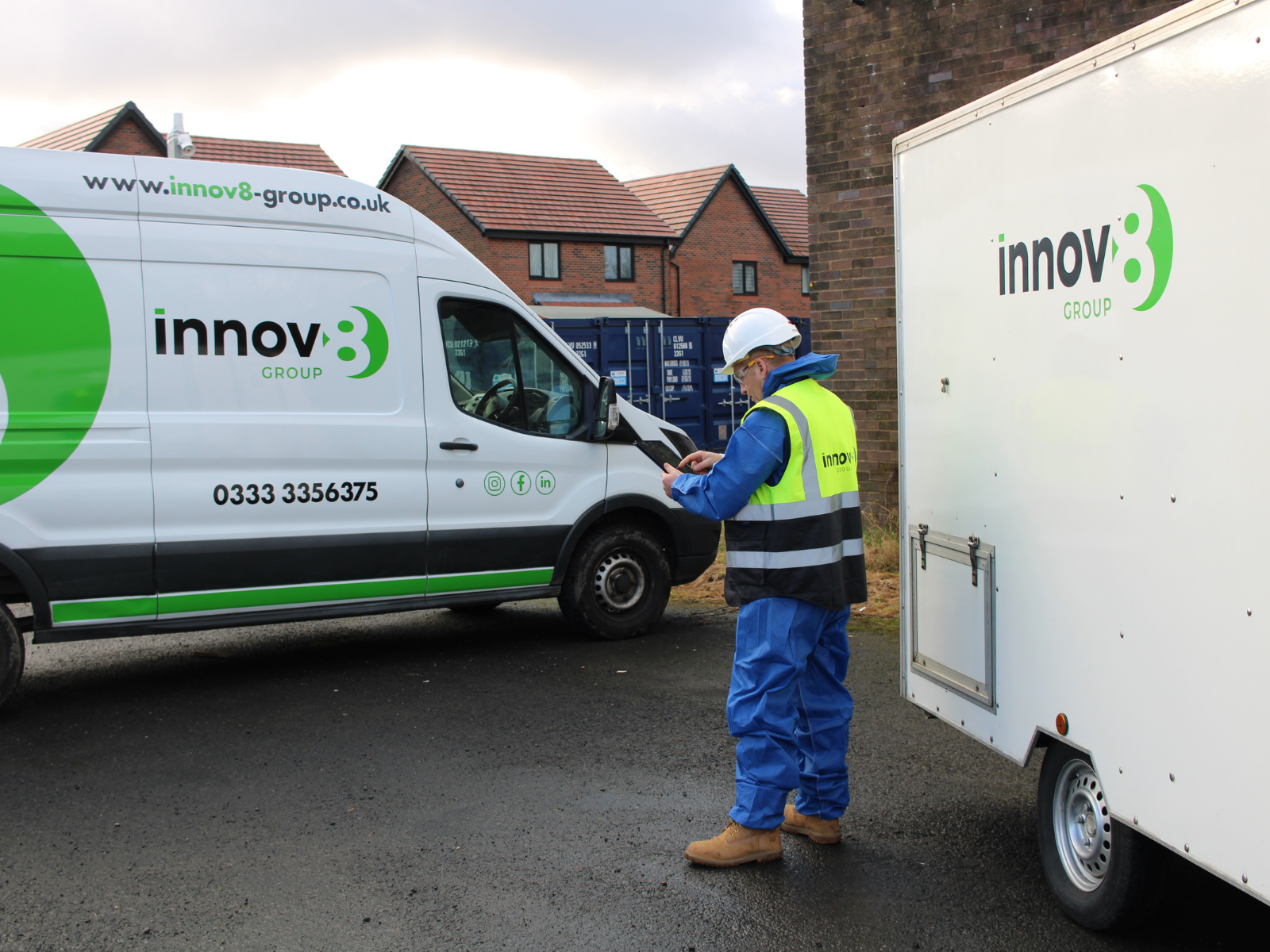
Innov8 Group Ltd provides professional asbestos surveys, management and licensed removal services across the UK, helping homeowners and property managers stay compliant and protected.
📞 Contact Innov8 today to arrange an assessment and get expert guidance before work begins.