Asbestos removal doesn’t end once the material is taken out of a building. In fact, asbestos waste disposal is one of the most tightly regulated parts of the entire process — and getting it wrong can carry serious legal and health consequences.
Whether asbestos is removed from a home, commercial property or construction site, it must be handled, transported and disposed of correctly and legally.
Why Asbestos Waste Is Heavily Regulated
Asbestos waste is classed as hazardous waste because disturbing asbestos-containing materials (ACMs) can release microscopic fibres that pose long-term health risks.
Incorrect handling can:
-
Contaminate vehicles, sites and public areas
-
Expose waste handlers and the public
-
Lead to environmental damage
-
Result in prosecution and heavy fines
This is why strict rules are in place from the moment asbestos is removed.
What Counts as Asbestos Waste?
Asbestos waste includes:
-
Removed asbestos cement sheets
-
Insulation boards and lagging
-
Floor tiles and adhesives
-
Contaminated PPE and cleaning materials
-
Dust, debris and rubble containing asbestos fibres
Even small quantities must be treated as hazardous waste.
How Asbestos Waste Should Be Handled
1. Correct Packaging
Asbestos waste must be:
-
Double-bagged
-
Sealed securely
-
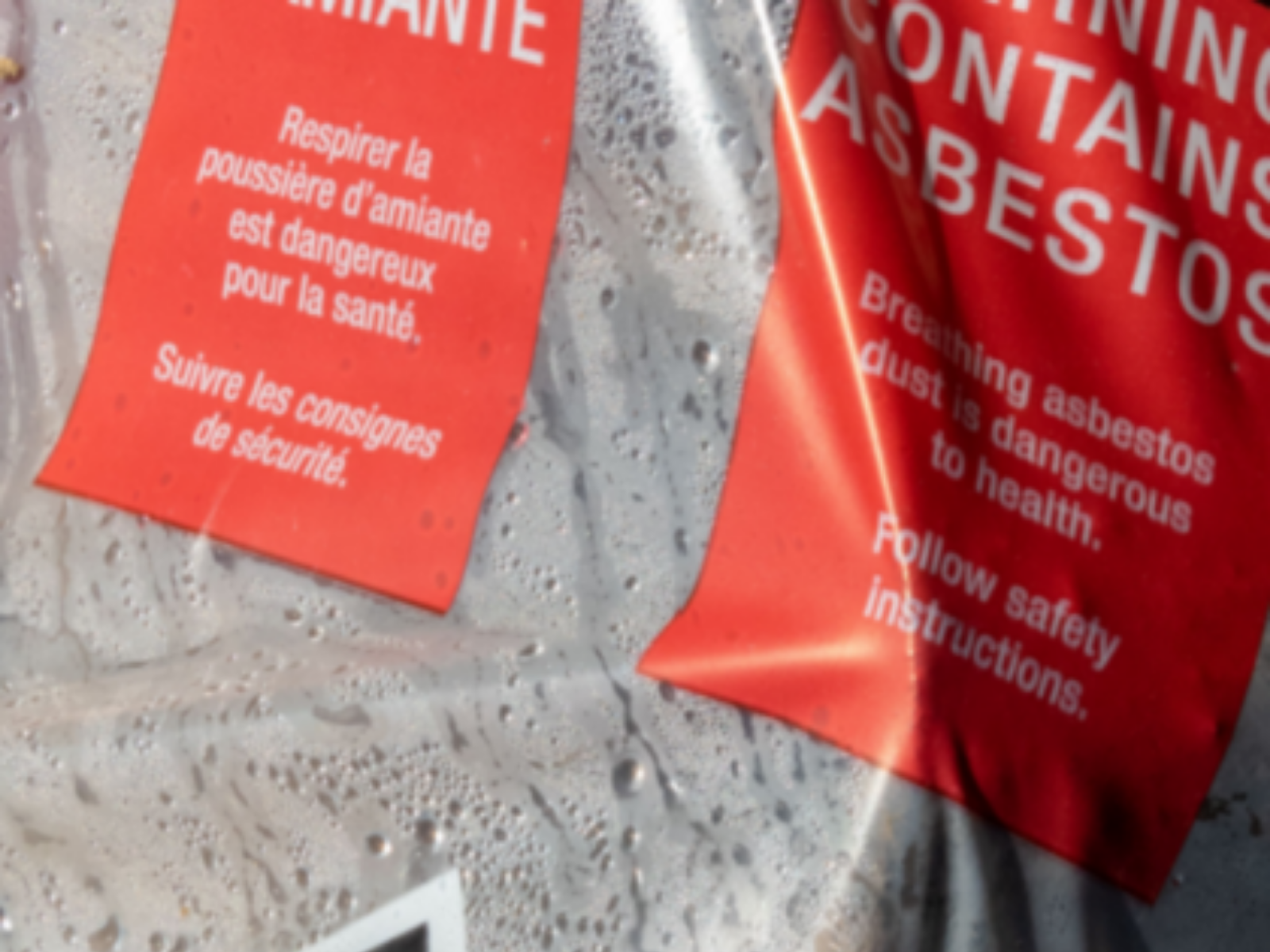
Clearly labelled
Red asbestos waste bags are used first, followed by clear or yellow over-bags displaying warning markings.
2. Safe Storage
Waste must be:
-
Stored in a secure, designated area
-
Protected from damage or tampering
-
Clearly labelled until collection
It should never be left loose or unattended.
3. Licensed Transportation
Only licensed waste carriers are permitted to transport asbestos waste.
Vehicles must:
-
Be appropriately marked
-
Prevent fibre release
-
Follow strict handling procedures
Transporting asbestos without the correct licence is illegal.
4. Disposal at Approved Facilities
Asbestos waste can only be disposed of at licensed hazardous waste facilities.
It must:
-
Be pre-booked in many cases
-
Be accompanied by correct paperwork
-
Be recorded and tracked
Fly-tipping asbestos waste is a criminal offence.
What Paperwork Is Required?
Legal asbestos disposal requires:
-
Hazardous waste consignment notes
-
Waste carrier licence details
-
Disposal site documentation
These records demonstrate compliance and may be requested during inspections or audits.
Why DIY Asbestos Disposal Is Risky
Even where limited DIY removal is technically legal, disposal often isn’t.
Common issues include:
-
Councils refusing asbestos waste
-
Incorrect packaging
-
Illegal transport
-
Fly-tipping risks
-
Prosecution and fines
What seems like a cost-saving exercise can quickly become expensive.
What Happens If Asbestos Is Disposed of Incorrectly?
Improper disposal can result in:
-
Enforcement action
-
Unlimited fines
-
Clean-up costs
-
Criminal prosecution
-
Environmental damage
Local authorities and the Environment Agency take asbestos waste offences extremely seriously.
FAQs – Asbestos Waste Disposal
Can I take asbestos waste to the tip myself?
Some councils allow limited amounts by appointment, but many do not. Always check first.
Do asbestos bags need special labels?
Yes. Bags must display asbestos warning labels and be double-sealed.
Is asbestos waste classed as hazardous waste?
Yes. All asbestos waste is legally classed as hazardous.
Who is responsible for asbestos waste disposal?
The person or company removing the asbestos is responsible for ensuring legal disposal.
How do I prove asbestos was disposed of correctly?
Through hazardous waste consignment notes and licensed disposal records.
Need Safe, Legal Asbestos Disposal?
Correct asbestos disposal protects people, the environment and your legal position.
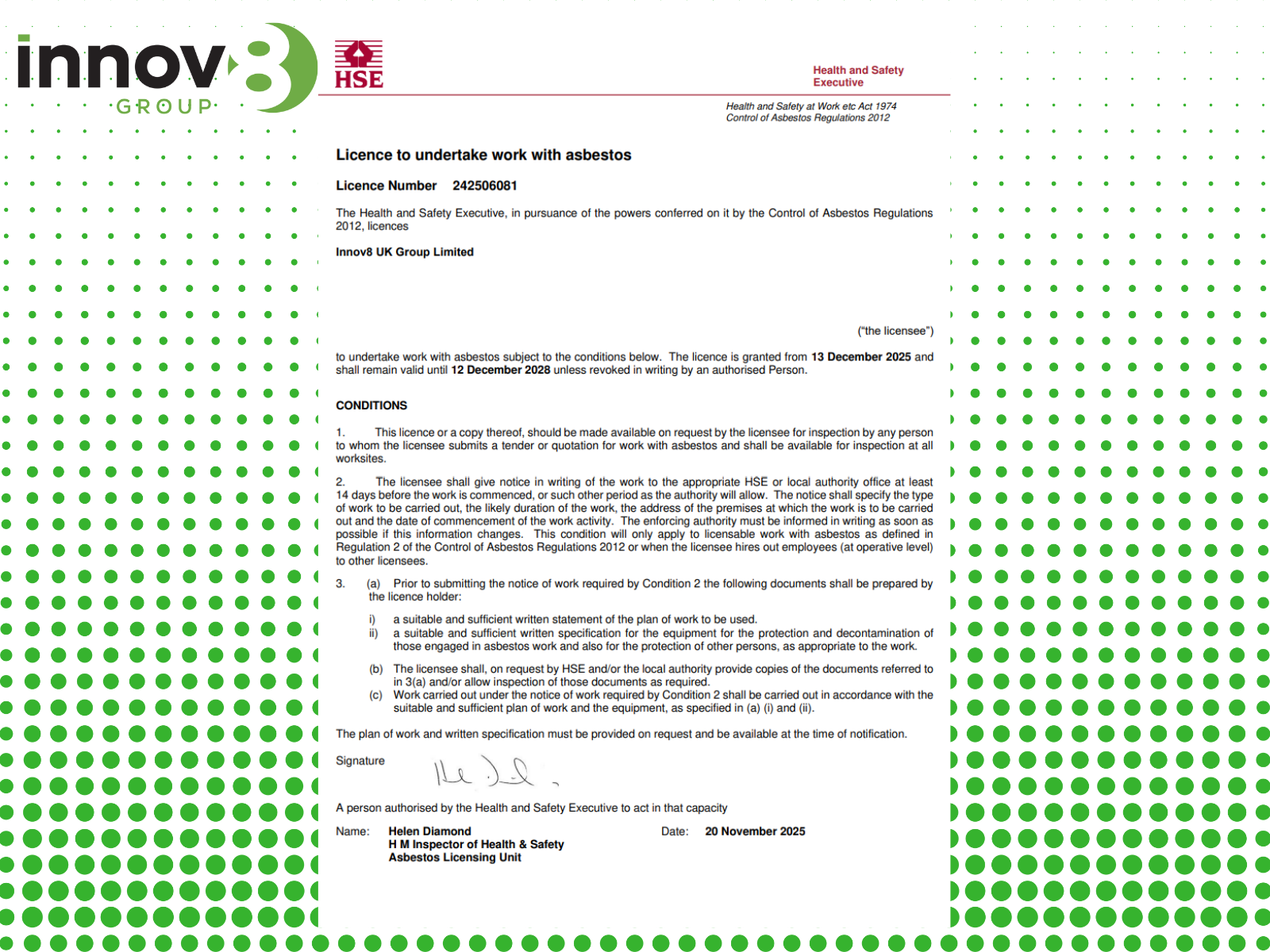
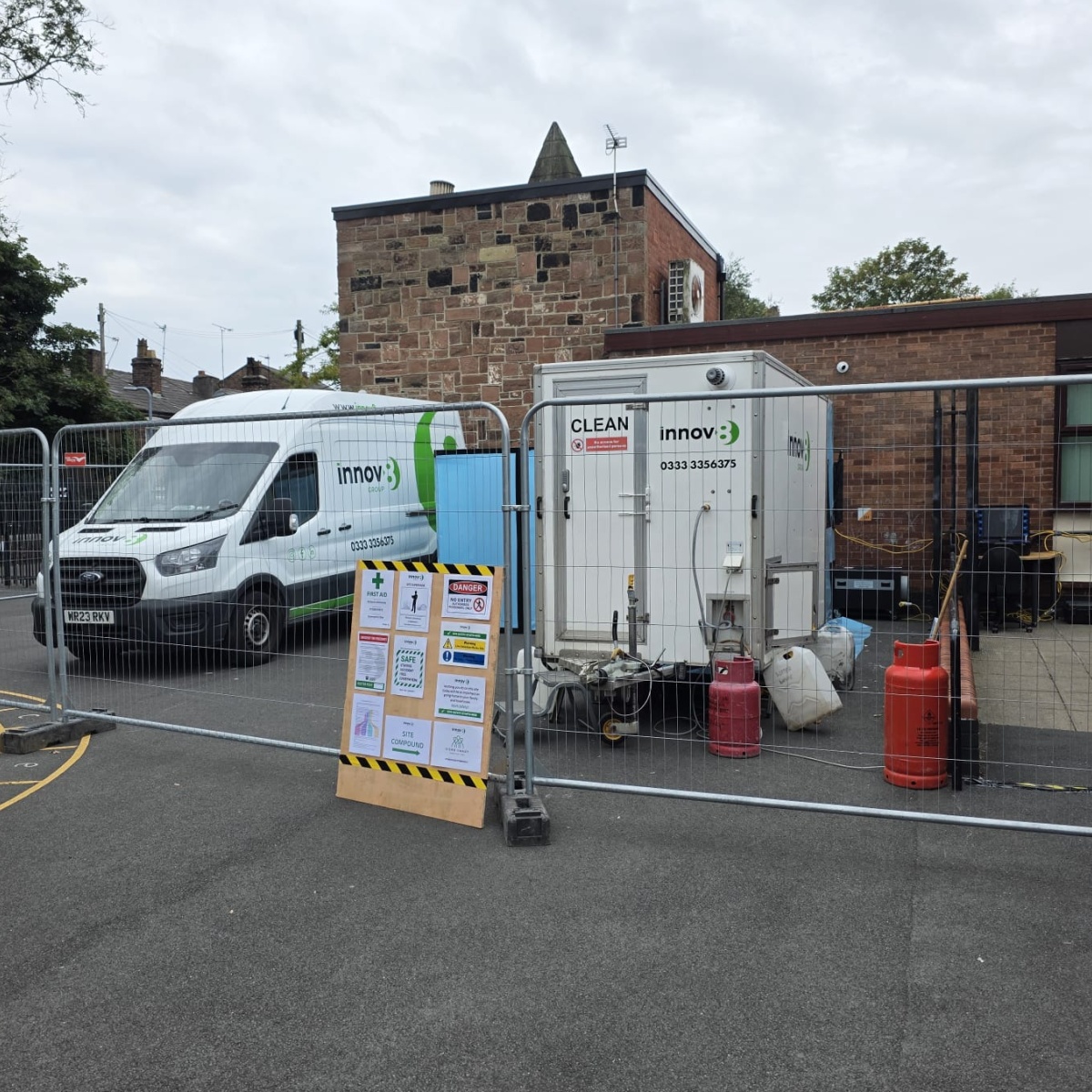
Innov8 Group Ltd provides fully compliant asbestos removal and waste disposal services across the UK — from packaging and transport to licensed disposal and documentation.
📞 Contact Innov8 today for safe, legal asbestos removal and disposal you can trust.